Sustainable Gifts 2.0: Recycled Aluminum, RPET and Traceable Materials
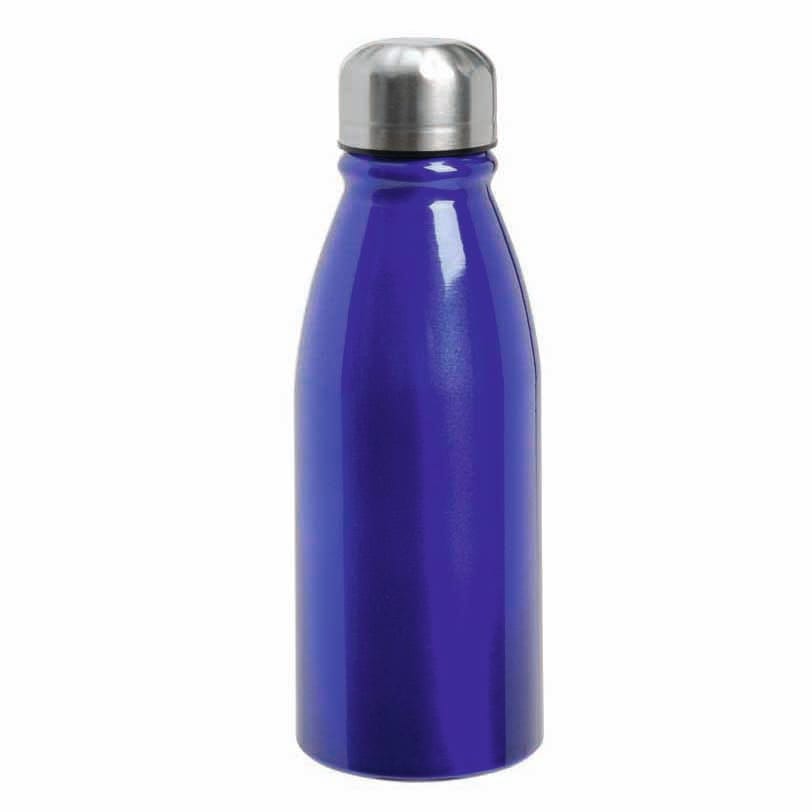
The focus of sustainable gifts is no longer just making the product green, but answering three questions: where the material comes from, how long the product can be used, and whether the information can be verified. Recycled aluminum water bottles, RPET storage bags, recycled cotton tote bags and notebooks with replaceable cores are becoming common directions in corporate events and employee gift boxes. They put environmental protection concepts into daily products and are more likely to have a lasting impact than disposable promotional materials.
Different materials are suitable for different purposes. Recycled aluminum has a clear and durable texture and is suitable for water bottles, pens and small accessories; RPET is lightweight and suitable for backpacks, shopping bags, umbrella cloth and storage products; recycled cotton has a natural touch and is suitable for leisure bags and textiles; cork, bamboo or wheat straw composite materials can be used for desktop items and shell decoration. Material selection should not just be based on name, but also consider wear resistance, cleanability, odor, color stability and actual service life.
Credibility comes from transparent expression. Companies can describe the main materials, recycled content, and correct usage and recycling methods on hangtags or packaging, but absolute statements that cannot be proven should be avoided. If the supplier provides relevant certification or transaction documents, the purchaser must check the scope of application, product batches and material proportions. In the case of composite materials, it should also be stated that it is not necessarily easily processed by ordinary recycling systems.
In terms of design, it is recommended to reduce unnecessary mixed materials, disposable plastic inserts and excessive packaging. Using solid color printing, recyclable cartons, reusable cloth bags or more compact packaging is often more convincing than adding an “eco-friendly” label. Logo technology should also be combined with material selection. For example, metal can be laser-engraved, and fabric can be embroidered or water-based printed to take into account both durability and visual effects.
Sustainable sourcing is not about finding a perfect material, but about finding a better balance between functionality, longevity, transportation and end-of-life. Starting with products that are frequently used, have simple structures, and have verifiable information, and then include material descriptions and packaging in the inquiry can make the brand promise more specific and more able to withstand customer inquiries.